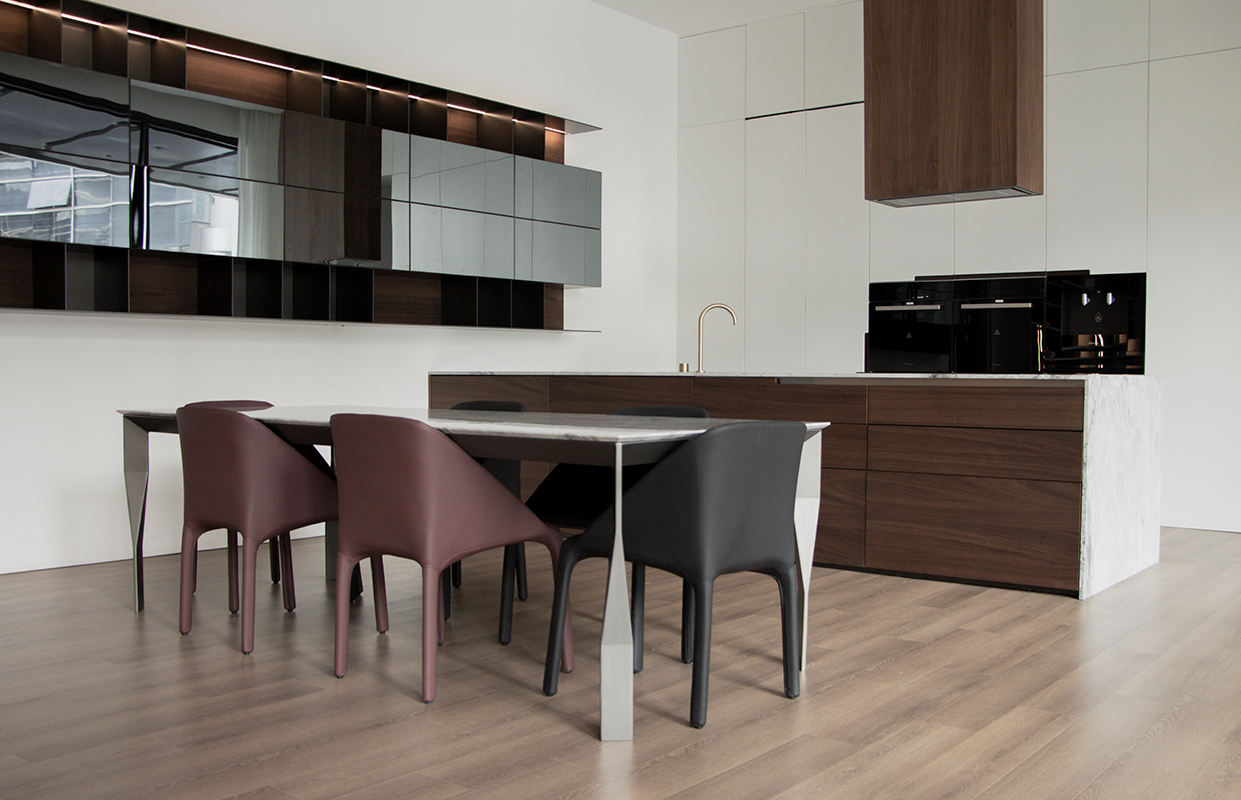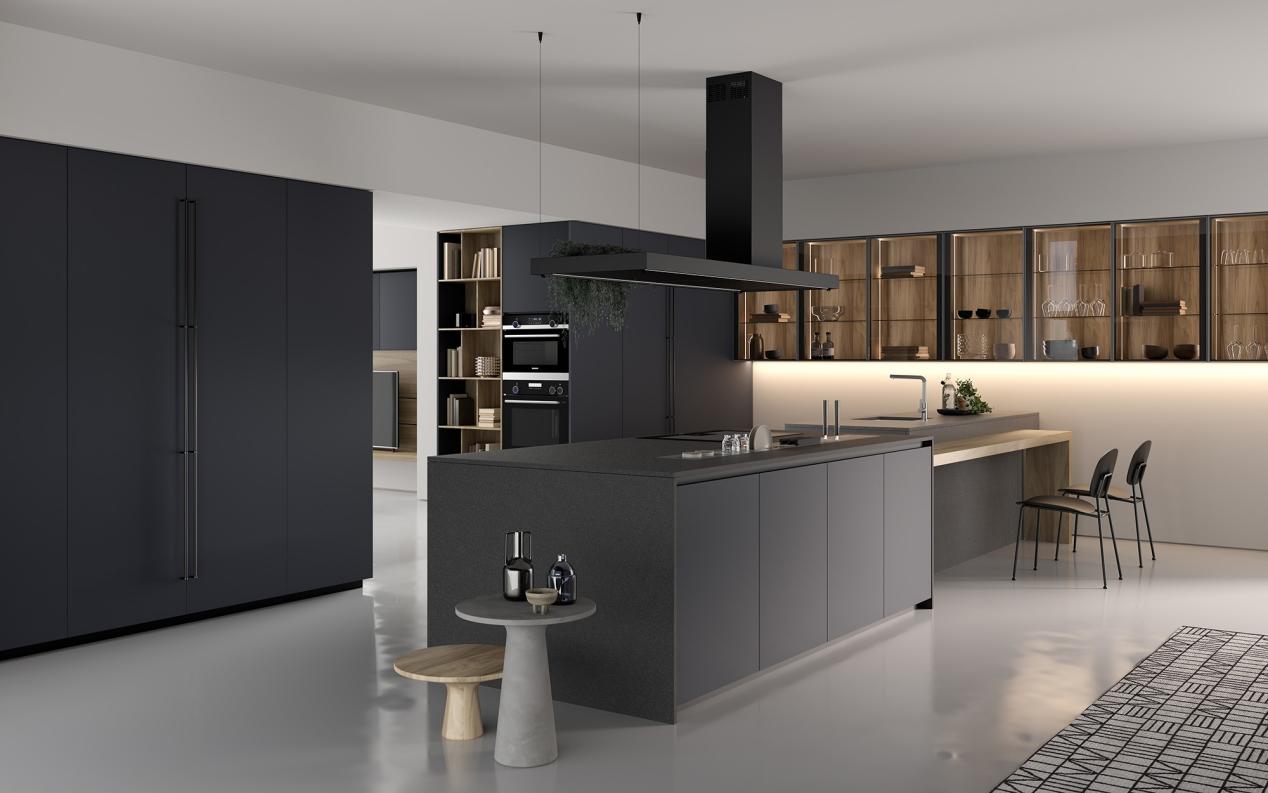
Large-scale developments place exceptional demands on kitchen cabinetry. Hotels, apartment communities, schools, and hospitals subject surfaces, hardware, and structures to constant use, frequent cleaning, and strict regulatory oversight. While residential cabinetry often prioritizes visual appeal for individual homes, commercial kitchen cabinets are engineered for endurance, operational efficiency, and long-term performance under heavy traffic. Project teams that overlook these distinctions frequently face premature failures, elevated maintenance expenses, and compliance challenges. A clear understanding of the differences enables developers, architects, and procurement specialists to specify solutions that align with both immediate construction needs and decades of reliable service.
Fundamental Distinctions in Construction and Design Philosophy
Commercial cabinets begin with a fundamentally different design approach. Residential units typically feature lighter frames and decorative elements suited to moderate, intermittent use in private homes. In commercial environments, every component must support intensive daily operation without degradation.
Reinforced Structures and High-Performance Hardware Cabinet boxes in commercial applications incorporate thicker panels and strategic bracing to resist racking and sagging under repeated heavy loads. Industrial-grade hinges and drawer slides, often rated for tens of thousands of cycles, maintain smooth operation long after residential hardware would falter. This durability directly supports efficient workflow in busy kitchens and reduces service interruptions across entire properties.
Scalable Modularity for Project Efficiency Project kitchen cabinets emphasize standardized yet adaptable dimensions that streamline installation across multiple identical or similar units. This modularity accelerates fit-out schedules and simplifies inventory management for general contractors. Residential cabinetry, by comparison, frequently relies on bespoke measurements that complicate bulk procurement and extend lead times on multifamily or hospitality developments.
These structural advantages translate into measurable reductions in installation time and post-occupancy maintenance, making commercial solutions the practical choice for any development exceeding a handful of units.
Material Specifications Engineered for Demanding Environments
Material selection separates commercial cabinetry from residential options more profoundly than aesthetics alone suggest. Residential products commonly employ standard particleboard or MDF with basic laminates, which perform adequately in controlled residential settings but degrade under commercial stresses such as high humidity, chemical exposure, and mechanical wear.
Superior Core Substrates Leading commercial manufacturers select moisture-resistant marine-grade plywood or enhanced particleboard with specialized resins. These substrates maintain dimensional stability even when exposed to steam, frequent washing, or fluctuating temperatures. The result is cabinetry that preserves structural integrity throughout the building’s lifecycle, unlike many residential adaptations that swell or warp over time.
Advanced Surface Finishes and Edge Protection High-pressure laminates (HPL) and specialized thermofoil finishes deliver exceptional resistance to abrasion, stains, and disinfectants. Edge banding receives equal attention, utilizing thicker, impact-resistant materials with superior adhesives that prevent chipping and delamination. Such details may appear minor during initial specification, yet they determine long-term appearance and functionality in high-traffic installations.
Compliance with Stringent Performance and Safety Standards
Commercial projects operate under regulatory frameworks that residential cabinetry rarely addresses. Procurement teams must verify performance against established benchmarks for safety, hygiene, and environmental resilience.
Moisture Resistance and Environmental Durability Commercial kitchens and support areas endure constant moisture and aggressive cleaning protocols. Quality commercial cabinetry integrates sealed edges, waterproof treatments, and cores engineered to resist swelling or microbial growth. Many specifications require independent verification of performance under prolonged exposure, providing assurance that the installation will meet operational demands without frequent replacement.
Fire Safety and Regulatory Alignment Multi-unit residential buildings, hospitality venues, and public facilities demand documented compliance with strict flame-spread and smoke-development ratings. Commercial kitchen cabinet suppliers routinely furnish third-party test reports and certifications that streamline approvals. Residential products seldom carry equivalent documentation, creating potential delays or costly modifications during permitting and inspection phases.
Proven Performance Across Major Project Categories
Real-world application reveals how these engineered differences deliver tangible benefits. Each sector presents unique challenges that commercial solutions address more effectively than residential alternatives.
Hospitality Developments Guest room kitchenettes and back-of-house support areas require cabinetry that maintains impeccable appearance through peak occupancy and rigorous daily cleaning. Commercial kitchen cabinets reduce maintenance calls and support consistent guest satisfaction, protecting both brand reputation and operational margins.
Multifamily and Mixed-Use Communities Property managers prioritize systems that withstand multiple tenant cycles with minimal intervention. Reinforced commercial constructions and durable hardware lower lifecycle costs while minimizing disruptions during turnover periods, contributing to higher tenant retention and stronger asset performance.
Institutional and Healthcare Facilities Schools demand vandal-resistant designs and surfaces that endure intensive sanitation. Hospitals impose additional requirements for infection control, often favoring materials with easy sterilization and antimicrobial properties. In these sensitive environments, commercial cabinetry supports regulatory compliance while enhancing safety and operational reliability.
Strategic Selection of Commercial Kitchen Cabinet Suppliers
Choosing the right partner requires evaluation beyond price comparisons. Experienced commercial cabinet manufacturer teams understand the complexities of large projects and provide essential support throughout the procurement process.
Expertise, Technical Support, and Project Coordination Dedicated project divisions offer comprehensive submittals, detailed shop drawings, physical samples, and mock-ups. This level of service facilitates smooth coordination with architects and general contractors, reducing the risk of change orders and field modifications.
Customization Balanced with Production Efficiency True custom commercial cabinets accommodate precise modifications to dimensions, storage configurations, hardware, and materials. The most capable suppliers combine this flexibility with automated production systems that maintain reliable delivery schedules even on compressed timelines. Their established quality assurance protocols, including ISO-level certifications and material traceability, provide the documentation that institutional and developer clients require.
For projects that demand both performance and value, AIS Kitchen offers robust engineering solutions specifically tailored to large-scale commercial installations, integrating durability with practical execution across diverse development types.
Assessing Long-Term Value and Total Cost of Ownership
Initial acquisition cost represents only a fraction of the total investment. Commercial kitchen cabinets typically deliver substantially lower lifetime expenses through extended service life, reduced repair frequency, and superior regulatory compliance. For portfolio owners managing multiple properties, these advantages accumulate into significant savings and improved asset valuation.
Strategic procurement recognizes that a specialized supplier functions as an extension of the project team. Early engagement helps align specifications with actual operational realities, preventing downstream issues and optimizing overall project outcomes. In an environment of rising material and labor costs, this forward-thinking approach protects budgets while ensuring installations perform reliably from day one.
In conclusion, commercial kitchen cabinets represent an entirely different category from residential solutions, engineered specifically for the intensity and complexity of large projects. AIS Kitchen has established itself as a dependable partner for developers and procurement teams seeking proven commercial cabinetry that meets the highest standards of durability, compliance, and value.